Up to €3,000 per centre: Provincial Council to help Valley villages care for their interpretation centres
Almería Provincial Council approves €150,000 to preserve and revitalise the interpretation centres of towns with fewer than 20,000 inhabitants, such as those in the Valley.

Automatic translation: this article was translated with artificial intelligence from the original in Spanish. Read the original
Almería Provincial Council has approved a €150,000 plan to preserve, maintain, publicise and revitalise the interpretation centres of municipalities with fewer than 20,000 inhabitants, a condition met by the 27 villages of the Almanzora Valley. Each centre will be able to receive up to €3,000, according to the provincial institution.
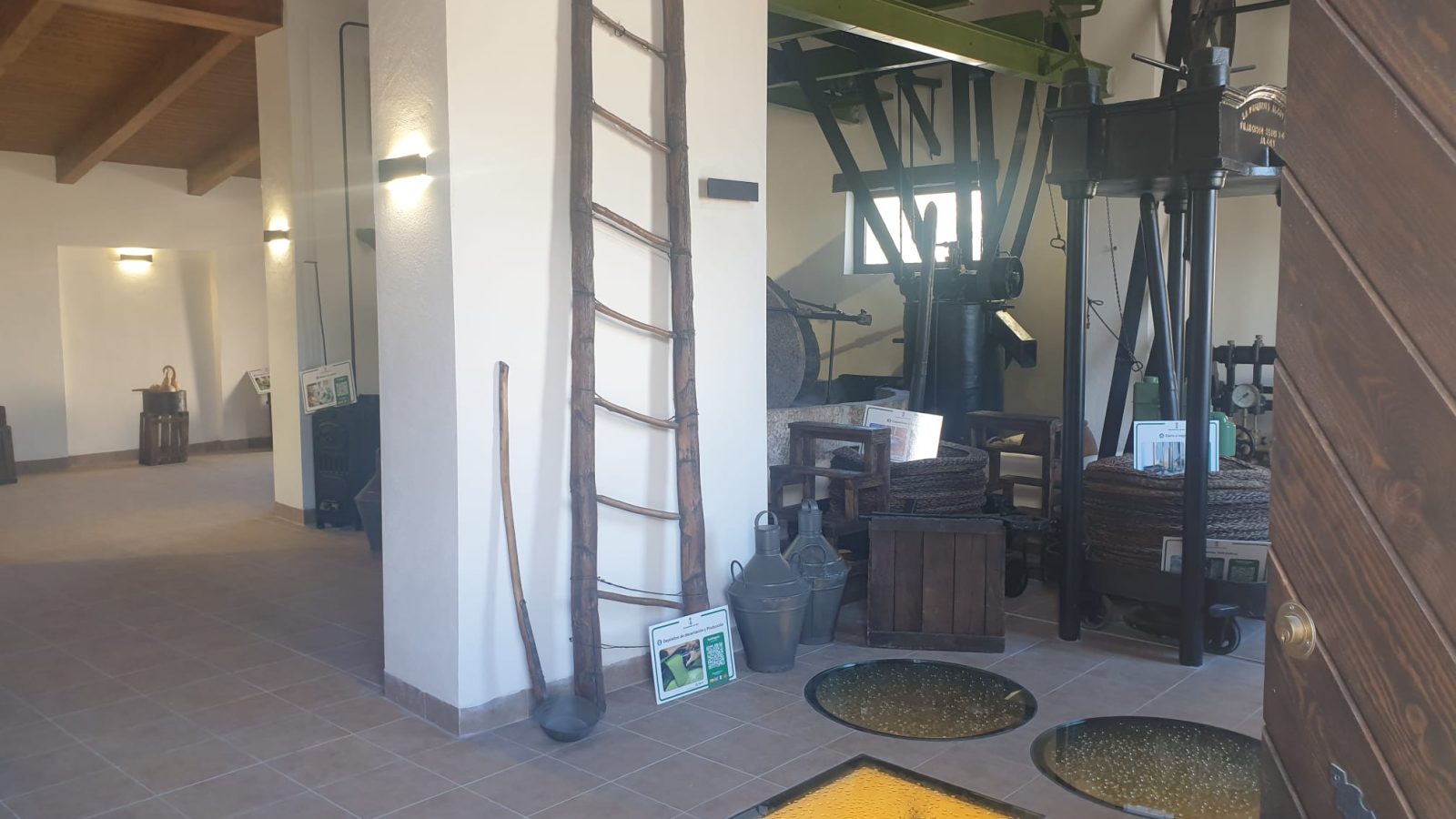
They are those small museums that hold the memory of a village: an old olive oil mill, farming tools or the history of marble. Many depend on small town councils. In Suflí, for example, the Olive Oil Interpretation Centre occupies a restored mill run by the town council; it is usually closed, and visits, which are free and come with an audio guide, are requested at the town hall itself, according to its listing on Turismo Almanzora.
What the grant covers
- Costs of conservation, maintenance, promotion and revitalisation of the centres.
- Up to 100% of the expenditure, with a maximum of €3,000 per centre. If requests exceed the budget, the amount is reduced proportionally.
- Payment in advance: 75% when the grant is awarded and the remaining 25% once the spending has been accounted for.
- Nine months to carry out the spending from the date the award becomes final.
Who can apply and when
Town councils and autonomous local entities with fewer than 20,000 inhabitants that own an interpretation centre can apply. The main condition is to commit to applying to join the future Dipalme network of Rural Interpretation Centres, which 13 municipalities already belong to. The Provincial Council estimates that there are more than 40 municipalities of that size in the province with interpretation centres.
The application period will be fifteen working days from the day after the summary of the call for applications is published in the Official Provincial Gazette (BOP).
From Taberno’s Museo del Campo to Suflí’s olive oil
The Valley has good examples of what this plan aims to look after. In Taberno, the ethnographic museum, which the Provincial Council refers to as the Natural Habitat Interpretation Centre ‘Museo del Campo’ (Countryside Museum), was created in 1998 and holds at least 2,000 objects from rural life over the last two centuries, most of them donated by local residents, according to Turismo Almanzora. In 2023, Taberno and Zurgena, with its Ginés Parra Interpretation Centre, were among the 14 municipalities in the Provincial Council’s pilot programme for schools to get to know the heritage of rural areas.
Small museums, yes, but with a great deal of memory inside.