The UAL presents ‘Marca Pueblo’ in Palencia, its model for bringing life to villages like Serón, Purchena or Laroya
The University of Almería (UAL) opened the 10th esMontañas Congress in Palencia with ‘Marca Pueblo’, a model to tackle depopulation in which five Almanzora villages have taken part.
Automatic translation: this article was translated with artificial intelligence from the original in Spanish. Read the original
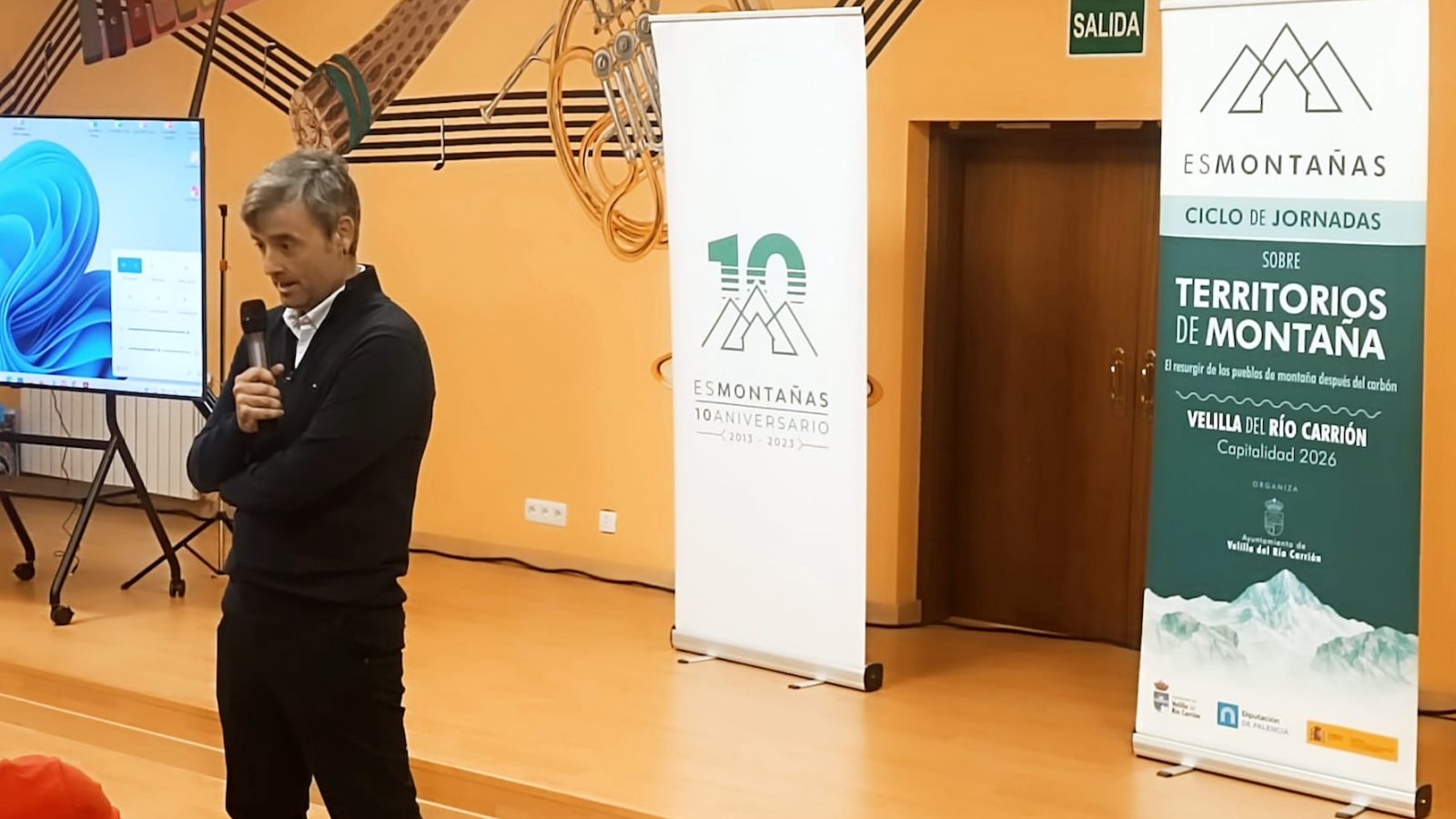
The work being done in villages such as Serón, Purchena or Laroya has this week served to open a national congress. The University of Almería (UAL) presented ‘Marca Pueblo’, its model for boosting rural municipalities, on Wednesday at the opening of the 10th esMontañas Congress, the gathering of the Spanish Association of Mountain Municipalities, which runs until Saturday in Velilla del Río Carrión (Palencia).
The job fell to José Luis Caparrós, a lecturer in Applied Economics at the UAL, who had already presented it in the Senate in June. According to the university, he explained to mayors and managers of mountain areas from all over Spain how ‘Marca Pueblo’ “helps to identify what makes each municipality unique, as well as to turn that identity into opportunities for local development”.
Five villages from the Valley
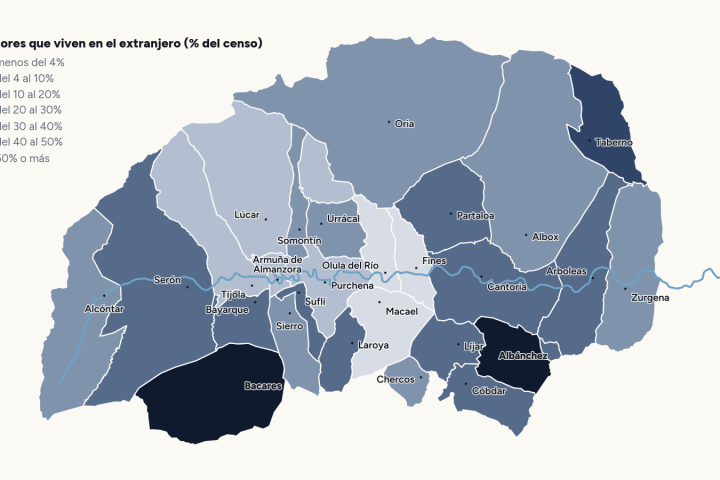
Behind that model are villages from our district. Of the 14 municipalities in Almería province that had taken part in ‘Marca Pueblo’ up to March 2025, five are in the Almanzora Valley: Alcóntar, Serón, Purchena, Líjar and Laroya, according to the UAL. Between them, the five have 4,834 residents (INE, Spain’s National Statistics Institute, 1 January 2025), and the smallest, Laroya, has fewer than 200.
The project is designed for municipalities with fewer than 2,500 inhabitants. It starts from an assessment of each village, with the participation of local residents, and proposes strategies according to its resources. Today it works with 18 municipalities, as Caparrós explains in an interview with La Voz de Almería.
In that interview he gives examples: Laroya has committed to rural tourism; Serón, to the organic sector; and Purchena, to a wide-ranging cultural programme. Among the projects that have taken root in these villages, he mentions the Las Menas campsite, in Serón. And he sums up what sets these municipalities apart: “the whole village works like a small family”.
Villages that need services, and that also provide them
The starting idea behind ‘Marca Pueblo’, according to the UAL, is that rural municipalities need services, but they also provide them. In the interview, Caparrós gives the example of their natural heritage, which provides “very important environmental services for the whole province”. And on what they lack, he mentions “public services and adequate infrastructure”: good communications, transport networks and an internet connection.
In Palencia, the reception was “very positive”, according to Caparrós, and it opened the door to adapting the methodology to other mountain municipalities. Those attending, he adds, were surprised by “the mountainous character of our province”, which outside Almería tends to be overshadowed by intensive farming and coastal tourism. Something that we in the Valley, between the Filabres and the Sierra de las Estancias, know well.
Do you have a project or a story in the Valley? At elValle Actualidad we want to tell it.