A 150-square-metre shop and the mountain wind: the story of the hams of El Hijate, in Alcóntar
In El Hijate (Alcóntar), more than 900 metres up, two family businesses cure ham with the mountain air. One of them started in 1982 in a 150-square-metre shop.

Automatic translation: this article was translated with artificial intelligence from the original in Spanish. Read the original
In El Hijate, the mountain cold is not a problem: it is part of the trade. In this hamlet of Alcóntar, at an altitude of more than 900 metres and between the Sierra de los Filabres and the Sierra de las Estancias, two family businesses that cure ham are at work: Jamones Tío Emilio and Jamones Pedro Castaño. Both are part of Sabores Almería, Almería Provincial Council’s gourmet brand.
This is explained in the listing for Jamones Tío Emilio on Turismo de Andalucía, the tourism website of the Andalusian regional government (Junta de Andalucía): the location of its drying rooms, “situated at an altitude of 975 metres, between the Filabres and Estancias ranges”, “provides, with its mountain winds, just the right level of cold and humidity to achieve a cure with guarantees of quality”. Now that November has arrived and, with it, the cold in the mountains, it is a good moment to tell where that ham comes from.
Since 1982, in a 150-square-metre shop
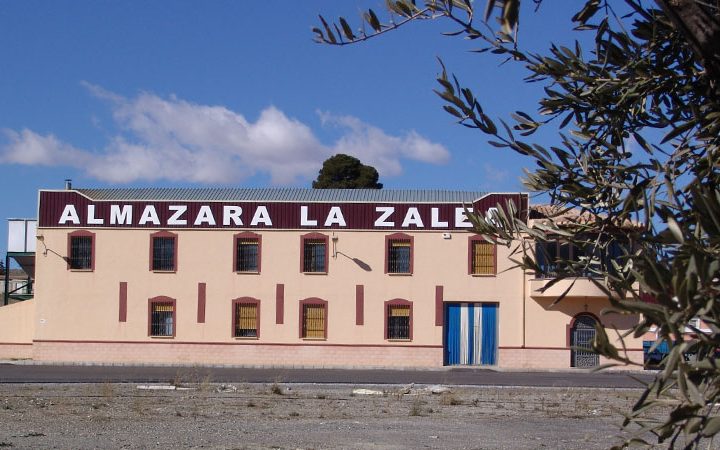
The story of Tío Emilio begins, as the company itself tells it on its website, in 1982. That year, Catalina Rodríguez and her husband, Emilio Salas, began making artisan cured meats in premises of 150 square metres, where they also sold fresh meat. In 1988 they expanded to 1,820 square metres and began curing hams, and in 1996 they set up the company Hijos de Catalina Rodríguez Castaño, which has focused on ham ever since.
Today, again according to the company, its facilities cover 8,000 square metres, with the drying room, the salting and post-salting areas and the deboning room. But they have not forgotten their beginnings: in “the small shop where it all began in 1982”, cured meats are still made the traditional way. They sum it up themselves like this: “40 years of experience and 3 generations”.
Over the years, the Salas family also took its trade to Trevélez, where it is part of the Consejo Regulador del Jamón de Trevélez (the Trevélez ham regulatory council), and today its production “reaches more than 300,000 pieces annually”, according to its Sabores Almería listing. In 2021, La Comarca reported that they exported to countries such as Mexico, Brazil, Andorra, France, Switzerland, Germany or Italy, and quoted one of the partners, Emilio Salas: “we are very proud to still be a family business, and long may it stay that way”. In January 2023, the company also received one of the 13 rural development grants that the Junta awarded in the province: €131,282 to improve its drying room in El Hijate, according to the same outlet.
More than 30 years on the Baza road
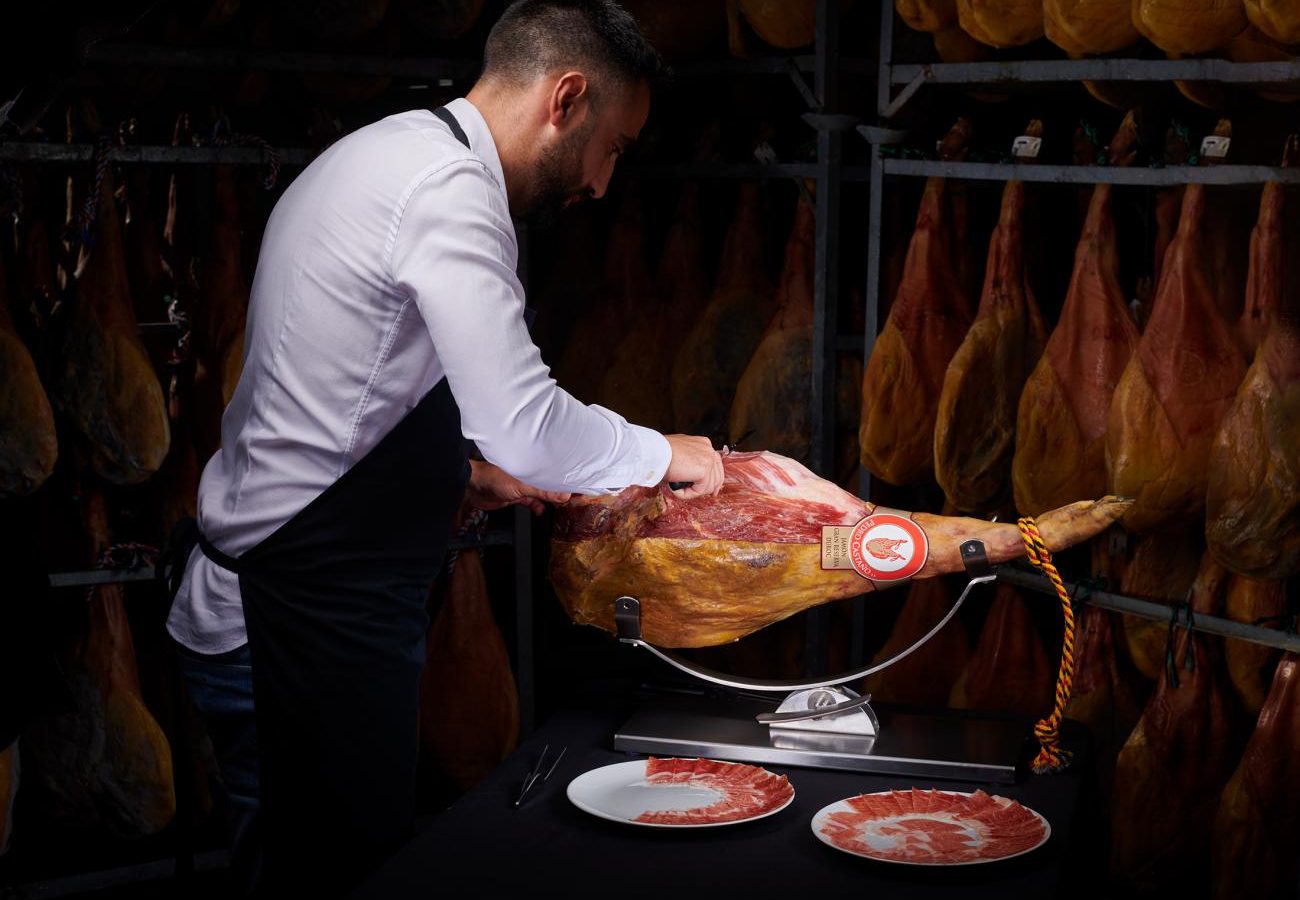
In the same hamlet, on the road from Baza to Huércal-Overa, is Jamones Pedro Castaño, which presents itself as “a family business with a track record of more than 30 years in the meat sector”. Its Sabores Almería listing also looks to the mountains: El Hijate, they say, “is located at an altitude of more than 900 metres, which allows us to carry out a large part of the process naturally”. According to the company, they monitor the progress of their hams every day with traceability programmes, and their process follows the checks of the certification bodies for the Traditional Speciality Guaranteed and Certified Quality labels.
From El Hijate to Madrid and Barcelona
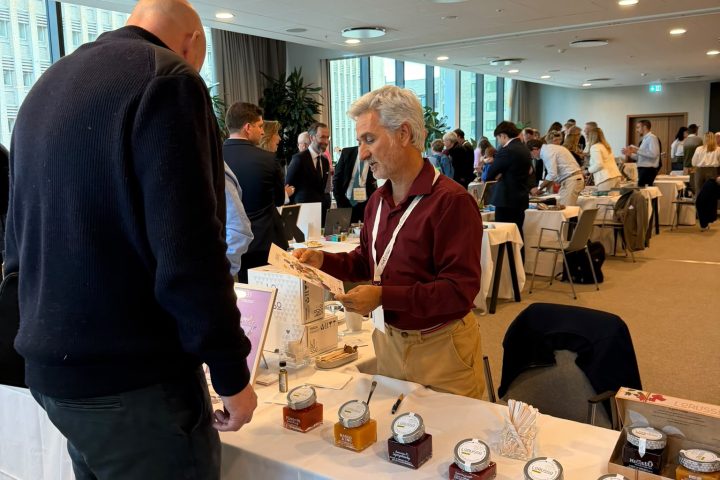
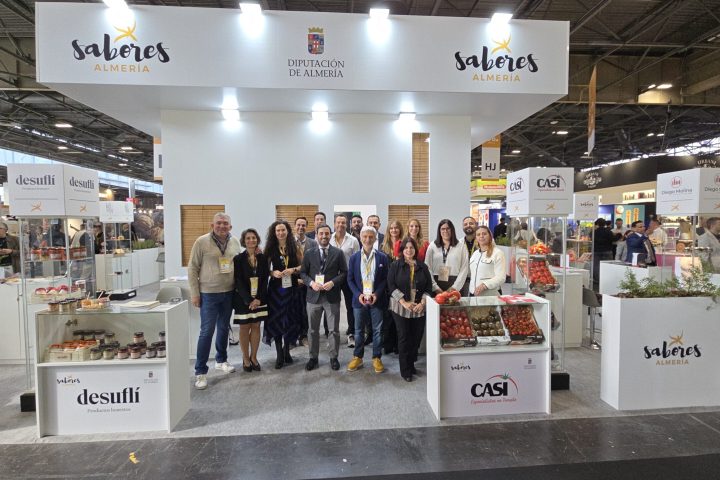
The two El Hijate firms travel with Sabores Almería. In April 2026 they were at the Salón Gourmets in Madrid, where ham carver Emilio García Ortigosa presented Tío Emilio’s products and carved El Hijate ham on the brand’s stand, according to the Provincial Council. In March, Pedro Castaño had taken its products to Alimentaria, in Barcelona.
And at home, both have been at the Sabores Almería Christmas fair in the provincial capital. At the 2021 fair, the Provincial Council even wrote that the ham of that edition “has a name of its own: Pedro Castaño”.
A mountain trade in a small village
Alcóntar has 545 residents, according to the 2025 padrón (municipal register) of the INE, Spain’s National Statistics Institute. In a municipality like this, the trade carries weight: in 2021, La Comarca wrote that the business Catalina and Emilio built up “generates a good part of the jobs in the area”. And the Tío Emilio company even appears on the Turismo de Andalucía website, with a 90-minute cultural tourism visit.
More than four decades after that 150-square-metre shop, the air of the Filabres and the Estancias is still at work in El Hijate.
Do you have a project or a story in the Valley? At elValle Actualidad we want to tell it.